

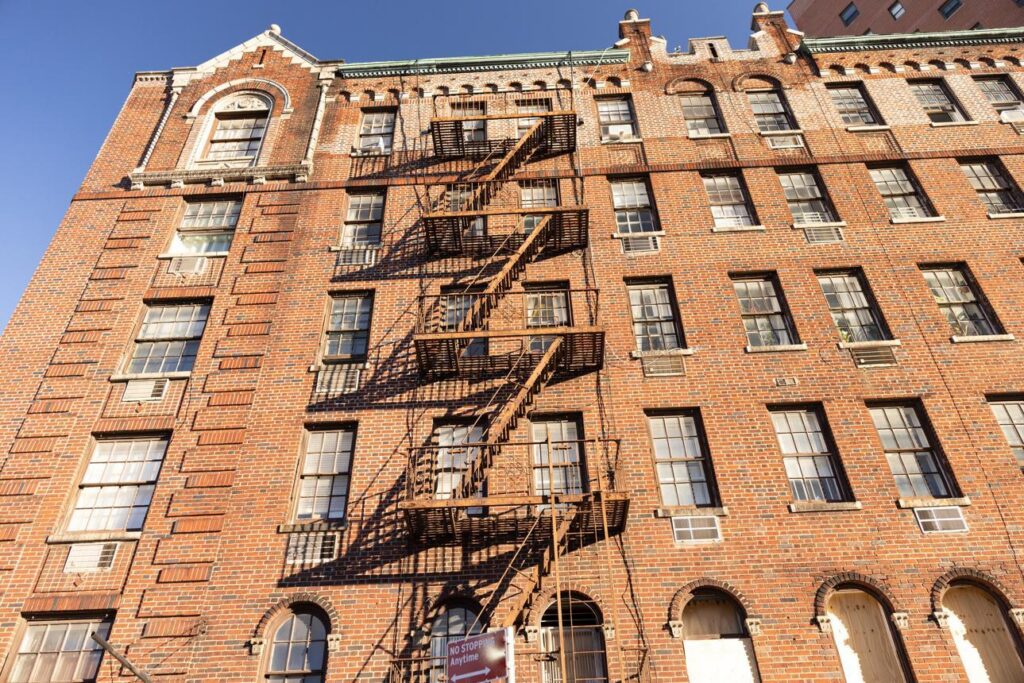
Fire escape compliance is about more than meeting building safety requirements. It also plays an important role in protecting property owners, tenants, and businesses from financial risks. When fire escapes are poorly maintained, blocked, or fail to meet local safety codes, the consequences can extend beyond safety violations and potentially affect insurance coverage.
Understanding how fire escape compliance impacts insurance can help property owners avoid unnecessary risks, costly repairs, and potential coverage complications.
Why Fire Escape Compliance Matters
Fire escapes provide occupants with an additional means of exiting a building during an emergency. For multi-story residential and commercial properties, having safe and accessible escape routes can make a critical difference during a fire.
Property owners are generally responsible for ensuring their fire escapes meet applicable building and fire safety requirements. This may include:
- Keeping fire escape stairways and platforms free of obstructions.
- Inspecting structural components for corrosion, damage, or deterioration.
- Maintaining secure railings, ladders, and connections.
- Addressing identified safety hazards promptly.
- Scheduling required inspections and maintenance.
Failing to address these responsibilities can create serious safety concerns and increase a property’s exposure to liability.
How Noncompliance Can Affect Insurance Coverage
Insurance companies evaluate several factors when determining property risks, including building conditions, maintenance practices, and compliance with applicable safety requirements.
If a property has an unsafe or noncompliant fire escape, insurers may view it as an increased risk. Depending on the policy and circumstances, this could lead to several complications.
- Increased Insurance Premiums
Properties with unresolved safety issues may be considered higher-risk investments. Insurers could respond with higher premiums or additional requirements before renewing coverage.
- Coverage Restrictions or Exclusions
Some insurance policies contain conditions, exclusions, or maintenance requirements related to property safety. Failure to meet those conditions could affect coverage for certain claims. The specific impact depends on the policy language and applicable law.
- Delayed or Complicated Claims
Following a fire or other emergency, insurers may investigate whether building maintenance and safety requirements were followed. Documentation of inspections, repairs, and compliance efforts can help support the claims process.
- Increased Liability Exposure
If someone is injured because a fire escape was blocked, damaged, or improperly maintained, property owners could face liability claims. Adequate insurance is important, but it does not eliminate the responsibility to maintain safe emergency exits.
The Importance of Regular Fire Escape Inspections
Routine inspections help identify potential problems before they become serious hazards. Over time, exposure to weather, moisture, and general wear can weaken metal components and compromise structural integrity.
Professional fire escape inspections can help identify:
- Rust and corrosion.
- Loose bolts, connections, or fasteners.
- Damaged stair treads and platforms.
- Unstable railings and support structures.
- Structural deterioration and other safety concerns.
Addressing these issues early can help property owners maintain safer buildings while demonstrating responsible property management.
Protecting Your Property and Insurance Coverage
Staying compliant with fire escape requirements is an important part of responsible property ownership. Property owners should maintain inspection reports, document completed repairs, and keep records of ongoing maintenance.
It is also important to review insurance policies regularly and communicate with insurance providers about applicable safety requirements. Because coverage conditions vary between policies, property owners should never assume that having insurance automatically protects them from the consequences of noncompliance.
Final Thoughts
Fire escape compliance is an investment in both building safety and long-term property protection. Neglected fire escapes can create serious hazards, increase liability exposure, and potentially complicate insurance coverage.
By scheduling regular inspections, addressing maintenance concerns, and staying informed about local fire and building codes, property owners can take proactive steps toward protecting their buildings and the people inside them.
Don’t wait until an inspection or emergency reveals a problem. Make fire escape safety a priority.