

Maintaining a fire escape is crucial for safety and longevity. Over time, wear and tear can compromise its structural integrity and appearance. Here are some clear signs that it might be time for a fire escape scrape and paint.
1. Peeling or Chipping Paint
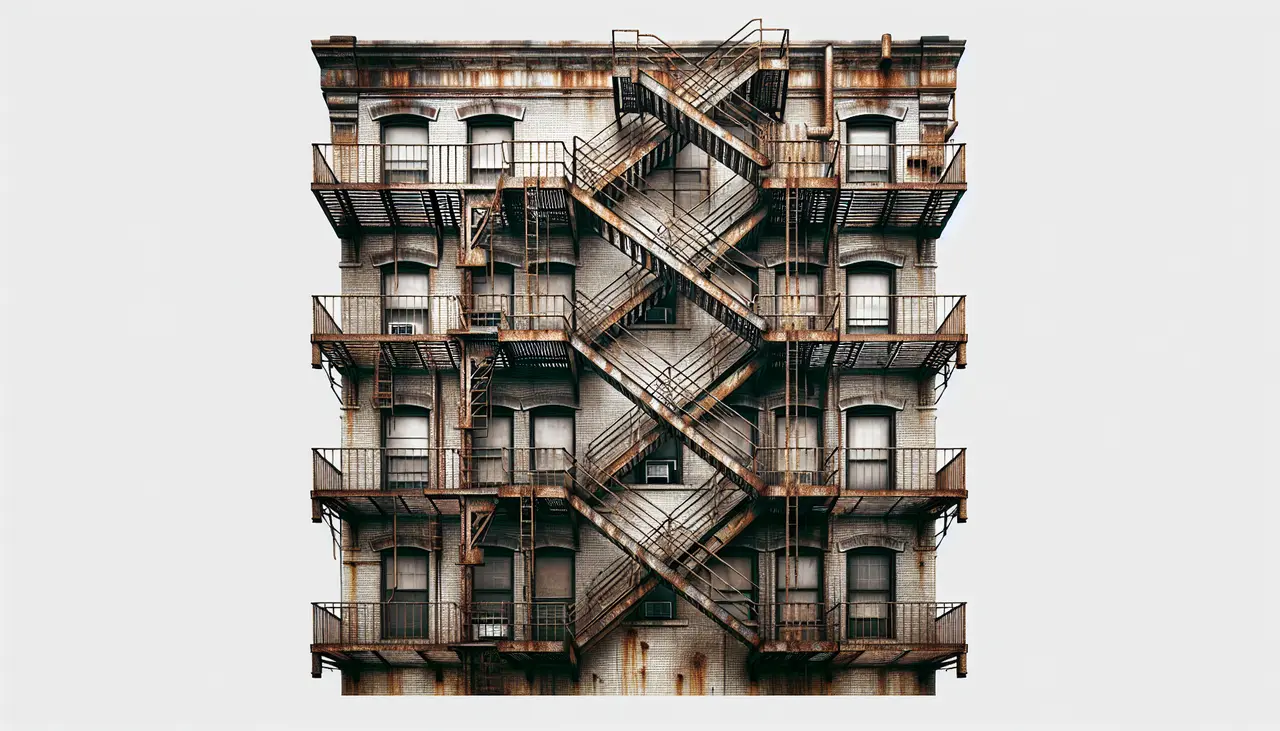
If you notice that the paint on your fire escape is peeling or chipping, it’s a clear sign that it’s time for a makeover. Not only does peeling paint look unsightly, but it can also expose the metal underneath to the elements, leading to rust and deterioration. When paint starts to fail, moisture can seep into the metal, exacerbating the risk of rust. This not only weakens the structural integrity but can also result in costly repairs if ignored long enough. By addressing peeling or chipping paint promptly with a scheduled scrape and paint, you can prolong the lifespan of your fire escape and maintain its safety standards.
The presence of peeling paint is more than a cosmetic issue. In regions with fluctuating weather conditions, exposed metal can rapidly corrode. Ensuring your fire escape is regularly painted can offer it a protective barrier against harsh weather and environmental elements. Therefore, a regular schedule for a fire escape scrape and paint is not just maintenance but a preventive measure against much larger problems.
2. Visible Rust Spots
Rust is the enemy of metal structures. If rust spots are appearing on your fire escape, it’s essential to address them immediately. A fresh coat of paint paired with a proper scrape can help protect the metal from further corrosion. Rust, if left unchecked, can spread quickly, leading to weakening connections and potential structural failures. By tackling rust spots with a comprehensive scrape and paint, you can ensure the longevity and safety of your fire escape.
Ongoing maintenance like routine scraping and repainting can protect your fire escape from persistent rust issues, especially in coastal areas where salt air can be particularly corrosive. Regular attention to rust can avoid surprise repairs and maintain compliance with safety codes, ensuring peace of mind.
3. Structural Concerns
Cracks, bends, or other deformations in the structure indicate more than just aesthetic issues. Addressing these problems promptly with a scrape and paint can prevent further damage and extend the life of your fire escape. These deformations often signify deeper issues that may compromise the overall stability of the escape, potentially endangering occupants during an emergency evacuation.
It’s crucial to inspect your fire escape regularly for signs of structural wear and tear. Early detection and treatment can prevent minor problems from escalating into major repairs, drastically saving on expenses in the long run. Routine maintenance just makes good economic sense and safety logic.
4. Flaking Lead-Based Paint
Older fire escapes might have lead-based paints, which pose health risks when they flake. It’s crucial to have a professional remove and repaint these surfaces to ensure safety and compliance with health regulations. The danger doesn’t only exist in visible flakes – lead can create a toxic environment long before issues are obvious. Having a specialized team handle the removal and replacement of lead-based paint is essential to safeguard the well-being of all building residents.
5. Unstable Surface Areas
If you feel any wobbling or movement when walking on your fire escape, it’s a sign of potential structural issues. A thorough scrape and repainting can help in reinforcing these surfaces and making them more stable. Ensuring the solidity of all bolted and welded connections during this process ensures no point of failure will be left unchecked.
6. Faded or Discolored Paint
Over time, sun exposure can cause paint colors to fade or become discolored. Refreshing the paint not only improves aesthetics but also provides an additional layer of protection against the elements. New paint technology has improved considerably, with coatings that offer better UV protection and weather resistance.
Faded paint can be an early warning sign that the protective qualities of the existing paint are wearing off. Rather than wait until more inexplicable symptoms arise, it’s better to rejuvenate the fire escape’s facade as preventative care. Such proactive steps minimize long-term maintenance costs and ensure the escape remains visually appealing.
7. Presence of Mold or Mildew
Mold and mildew thrive in damp environments, which can occur on neglected fire escapes. Scraping and repainting can eliminate these growths and prevent them from reoccurring, ensuring a clean and safe fire escape. Left unchecked, mold can penetrate structural surfaces, leading to more deep-seated problems over time. Regular cleanings paired with timely repainting help control unwelcome growths and maintain the metal’s integrity.
8. Regulatory Compliance
Monitoring your fire escape’s condition isn’t just about safety; it’s also a matter of compliance. Ensuring that it meets all safety regulations often requires routine scrapes and repaints. In many cities, routine inspections are mandated by law, and an inadequately maintained fire escape can lead to hefty fines or legal issues.
Regular maintenance guarantees not only compliance but also assures the safety of occupants in emergency situations. Prioritizing proper care and periodic checks prevents unwanted surprises during official evaluations. It’s a proactive step towards meeting civic responsibilities and safeguarding lives.